
From Eye to Brain: Aegis Capital's Investment in Inoko Vision
Alzheimer’s Disease – A Race Against Time
Alzheimer’s Disease (AD) is the leading cause ofdementia and one of the greatest challenges facing modern medicine. Currentlyaffecting over 55 million people worldwide, projections suggest this numbercould exceed 150 million by 2050. The core issue is that available disease-modifyingtherapies are primarily effective in the early stages—before irreversible braindamage occurs.
At the same time, current diagnostic methods—such as PETscans, lumbar punctures, or neuropsychological tests—are expensive, invasive,or difficult to access. This results in many patients being diagnosed too late.
A Problem Science Has Been Tackling for Decades
Research shows that neurological changes emerge long beforethe first clinical symptoms appear. This opens a "therapeutic window"which, if detected early enough, can significantly increase treatment efficacy.
Consequently, global research efforts are focused on findingfast, affordable, and non-invasive biomarkers. One of the most promisingdirections is the analysis of eye movements, which reflects thefunctioning of the nervous system.
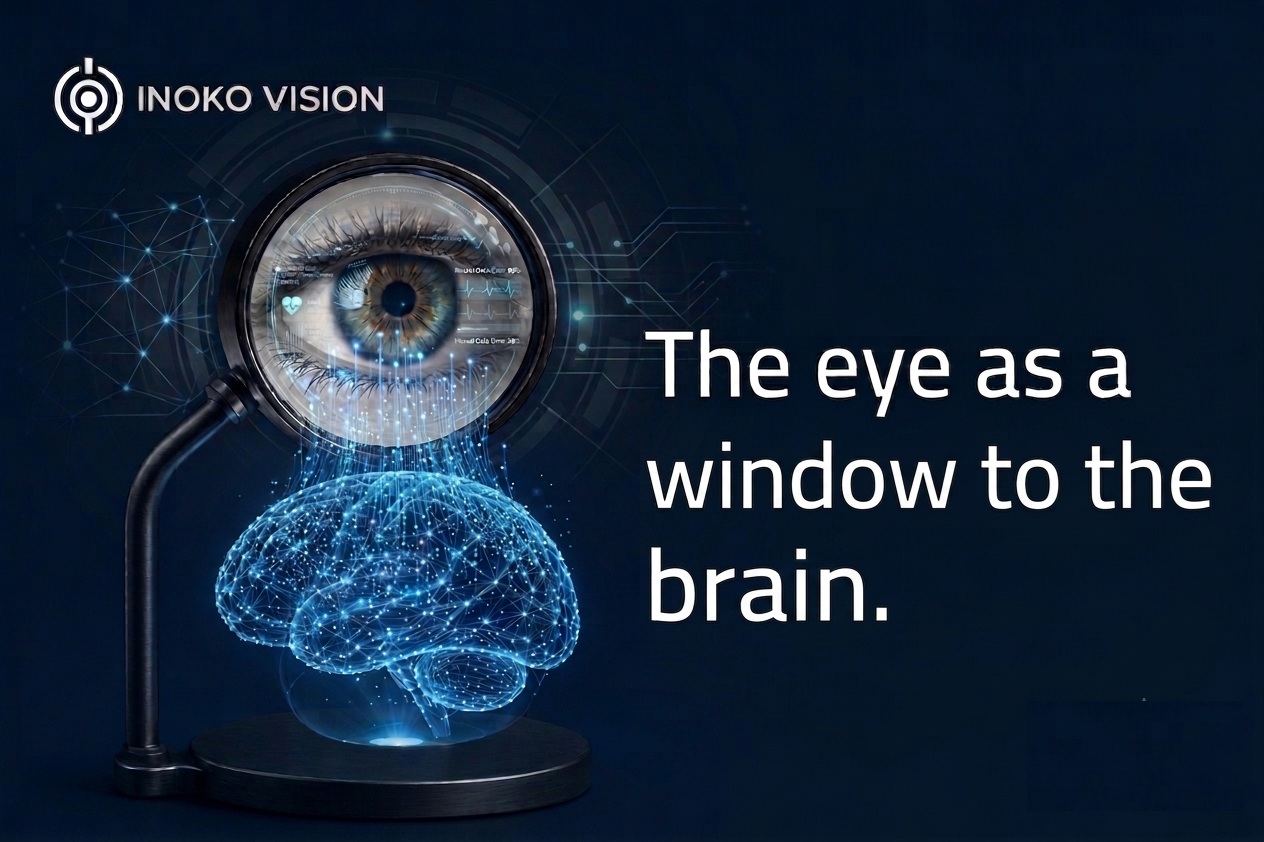
Inoko Vision – Eye Examination as a Brain Assessment
Inoko Vision, a spin-off from the Nicolaus CopernicusUniversity in Toruń, is developing NeuroFET—a compact, non-invasiveoptical device that analyzes eye movement as a biomarker of neurologicalhealth.
The key innovation lies in using light at a wavelengthinvisible to the subject, which eliminates the calibration issues typical oftraditional eye-tracking systems. This allows the examination to be fast,repeatable, and easy to implement in standard outpatient settings.
The technology addresses growing market needs: the globalAlzheimer’s diagnostic market reached approximately $8.95 billion in2024 and is growing at an annual rate of about 11%. This growth isdriven, in part, by new therapies that require early patient identification.
At Aegis Capital, we believe that non-invasiveneurological diagnostics will be one of the key areas of medical development inthe coming decade. NeuroFET has the potential to become a fundamentaltool for the early detection of neurodegenerative disorders, making a realimpact on how patients are identified and monitored.
